
10 Must-Have Features in Biobank Sample Management Software
The right biobank sample management software gives mid-sized biorepositories a configurable, audit-ready platform that tracks every specimen from receipt to distribution. The 10 features every biobank manager should evaluate are: configurable workflows, end-to-end chain of custody, tamper-proof audit trails, PHI controls, barcode tracking, multi-level storage mapping, consent management, environmental monitoring, researcher request portals, and integration APIs.
Why Does Software Selection Matter So Much for Mid-Sized Biobanks?
Mid-sized biorepositories face a specific pressure point: they handle enough sample volume to outgrow spreadsheets, but often lack the IT infrastructure of large academic medical centers. Labs relying on manual tracking face spreadsheet-based data entry error rates of 18–40% for routine workflows, a serious risk when each vial is tied to patient data and funded research. Choosing the right biobank sample management software eliminates these errors while supporting the compliance frameworks that govern daily operations, such as HIPAA, FDA 21 CFR Part 11, EU GDPR, ISBER Best Practices, and ISO 20387:2018.
What Are the 10 Features Every Biobank Manager Should Evaluate?
1. Configurable Workflows: Does the Software Adapt to Your Processes?
Configurable workflows let your team model real-world lab operations, such as intake, aliquoting, processing, storage, and retrieval, without custom development or expensive change orders. If your biobank runs disease-specific longitudinal studies, a rigid off-the-shelf system creates bottlenecks or forces workarounds that introduce errors.
Freezerworks is built around this principle. The platform lets staff turn daily tasks into automated workflows, configure validation rules that stop bad data before it enters the database, and schedule automated alerts for expiring samples or approaching freezer capacity, all without writing a single line of code. If your facility needs to onboard a new sponsor protocol, Freezerworks' configurable entry screens and workflow tools mean the update takes hours, not weeks.
5. Barcode Sample Tracking: Is Every Tube Accounted For?
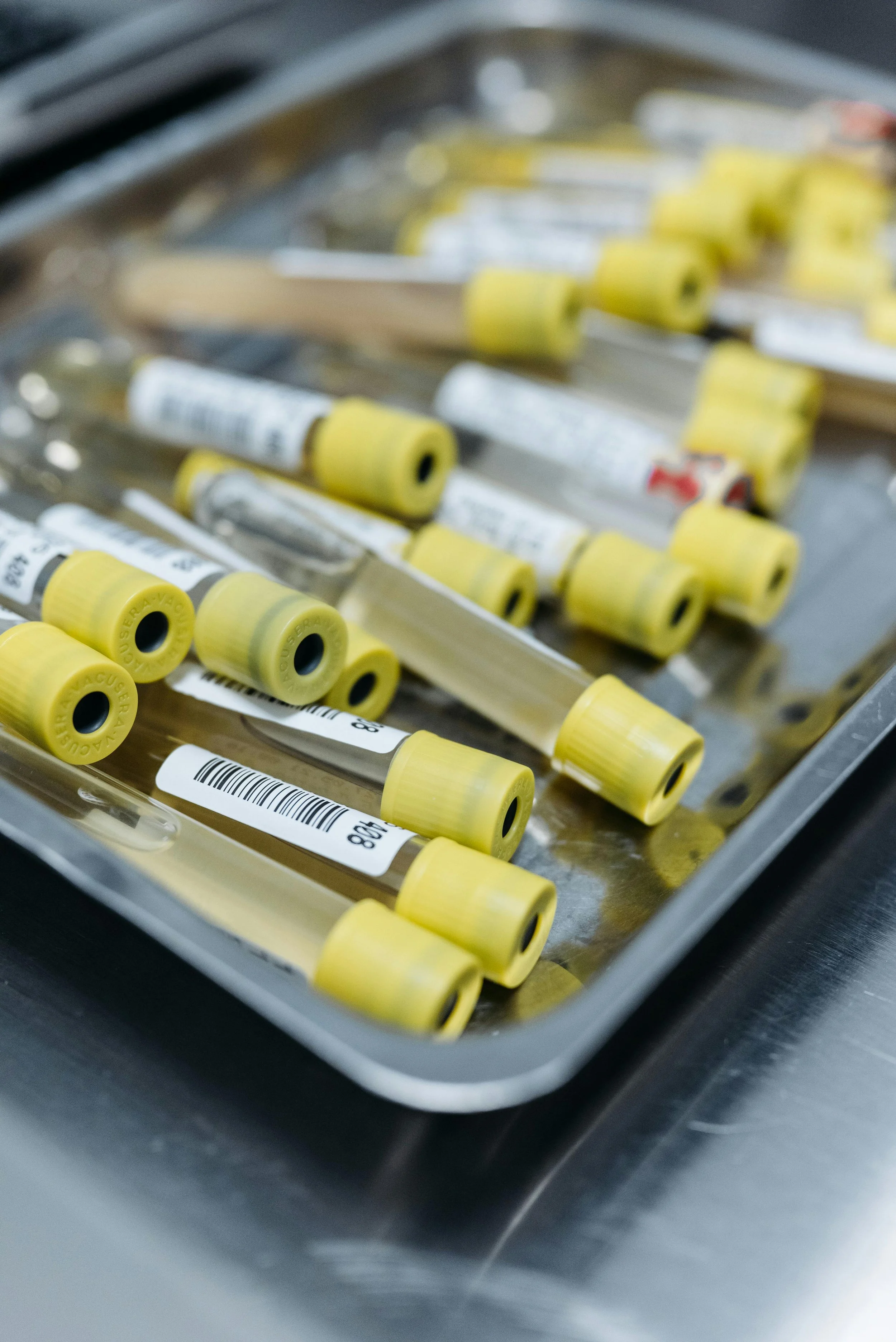
Barcode-driven processes eliminate manual label transcription, standardize sample identification, and integrate directly with freezer inventory systems. Without barcode scanning, sample IDs are entered by hand, and manual data entry error rates range from 1–4% in standard workflows to 18–40% under time pressure.
Freezerworks supports cryogenic-safe barcode labeling, barcode scanners, and label printer integration across all editions. In the Freezerworks Pinnacle Edition, staff can scan to receive specimens at intake, automatically matching the scanned ID to the pre-generated kit and logging the event without any keyboard entry.
2. End-to-End Chain of Custody: Can You Prove Every Handoff?
Chain of custody is the documented, timestamped record of who handled each sample, when, and under what conditions, from the moment it enters your biobank to the moment it leaves. Any gap in this record can invalidate a study, trigger a regulatory finding, or create liability exposure.
Freezerworks tracks chain of custody at every step, from check-out and check-in to shipping and testing. The Freezerworks Testing feature specifically tracks chain of custody for all samples undergoing tests, maintains batch order history, and generates test results reports with full traceability. ISBER Best Practices require biobanks to track every significant event during a sample's existence, collection, processing, thaws, transfers, and destruction, and Freezerworks Audit Trail captures each of these automatically.
3. Tamper-Proof Audit Trails: Are All Changes Recorded and Signed?
A compliant audit trail captures every creation, update, and deletion, with timestamps and user attribution, and cannot be altered or deleted. This is a core requirement under FDA 21 CFR Part 11, which governs electronic records and electronic signatures in regulated research environments.
Freezerworks records all actions by date, timestamp, and User ID for full compliance and traceability. The system also logs every time patient data is viewed, by which user, at what time, providing a level of PHI access auditability that many biobanks lack. If your biobank undergoes a strict review, Freezerworks' automated audit trail shortens preparation from days to minutes.
4. PHI Controls: Is Donor Data Truly Protected?
Protected health information (PHI) must be anonymized, access-controlled, and encrypted within your biobank sample management software, not just stored in a password-protected folder. HIPAA requires biobanks to implement role-based access permissions, encrypted data transmission, and audit trails specific to PHI field-level changes.
Freezerworks allows individual data fields to be tagged as PHI fields and automatically hidden from unauthorized users. Role-based permissions ensure each staff member sees only the data their role requires; a technician checking freezer inventory has no reason to view donor demographics, and Freezerworks enforces that boundary at the field level.
6. Multi-Level Freezer and Storage Mapping: Do You Know Exactly Where Every Vial Sits?
Storage mapping lets biobank staff model freezers down to the rack, shelf, box, and position level, and prevents placement errors through capacity rules and real-time layout visualization. Real-time visibility into storage capacity is one of the most cited daily pain points for biorepository operations teams.
Freezerworks supports all freezer and tank configurations, as well as dry storage, cabinets, and shelves. The platform's graphical freezer view lets staff see freezer layout, modify data, run workflows, and check capacity at a glance from a single screen. Samples are moved between freezers, benches, and departments using automated check-out, check-in, and shipping processes that simultaneously update the storage map and audit trail.
7. Consent Management: Can You Verify Donor Authorization Before Every Use?
Consent management links every sample to its donor authorization record, ensuring specimens are only used for research purposes that the participant explicitly approved. This is both an ethical imperative and a requirement under many regulations.
Freezerworks Pinnacle Edition includes a dedicated participant enrollment feature that tracks consent and re-consent information at the study level. Staff can enroll participants in multiple studies simultaneously, store IRB data alongside sample records, and reversion studies while retaining complete historical consent information. If your biobank participates in multi-site or international studies, digitized and versioned consent records prevent misuse and simplify cross-site compliance reporting.
8. Environmental Monitoring and Excursion Alerts: Are You Prepared for When a Freezer Fails?
Scheduled alerts and automated reporting notify your team about freezer capacity, expiring samples, and anomalies, without requiring staff to log in and check manually. Undetected storage issues are among the most catastrophic risks a biorepository faces; the impact extends beyond one freezer box to every downstream study using those samples.
Freezerworks provides automated reports on expiring samples and full freezers to be delivered to staff on a set schedule, even without anyone logging into the system. The system also supports integration with external equipment and database sources. Freezerworks enables rapid response after a freezer meltdown by quickly identifying and accounting for every potentially damaged clinical sample, which would be impossible with Excel-based systems.
9. Researcher Request and Distribution Portal: Can Scientists Self-Serve?
Researcher request capabilities lets investigators submit and track sample requests without routing every inquiry through your operations staff. This reduces administrative burden on biobank managers while accelerating research timelines.
Freezerworks Ascent Edition and above include a structured requisition and shipping workflow: staff manage incoming requests with approve-or-deny functionality, track the custodian of each approved request, and facilitate and document outgoing shipments. The result is a transparent, accountable distribution process where both the requesting researcher and the biobank manager have a clear record of every transaction. If your team is answering ad hoc emails about specimen availability, a structured requisition workflow eliminates that overhead entirely.
10. Integration APIs: Will the Software Connect to Your Existing Systems?
Open APIs allow Freezerworks to exchange data with EHRs, instruments, barcode printers, rack scanners, and other database sources, eliminating the manual reconciliation that creates data silos. Biobanks that cannot connect their LIMS to upstream data sources end up with fragmented records and unreliable sample histories.
Freezerworks includes a RESTful web API for powerful, secure web-based search and integration with external data sources. The platform also supports flexible import features for modifying and adding data from external systems in bulk.
How Do Freezerworks Editions Map to These Features?
What Should Mid-Sized Biobanks Prioritize When Choosing a Solution?
For most mid-sized biorepositories, Freezerworks Ascent is the natural starting point. It adds multi-group security, unlimited user roles, and the requisition and shipping workflow that labs need. Facilities running IRB-governed longitudinal studies or clinical trials should evaluate Pinnacle directly, given its study creation, participant enrollment, consent tracking, and visit modeling capabilities.
The 10 features above are the baseline, not the ceiling, for competitive biobank sample management software in 2025 and beyond. Mid-sized biobanks that prioritize configurable workflows, automated chain of custody, tamper-proof audit trails, and strong PHI controls position themselves for faster accreditation, fewer compliance findings, and more productive researcher relationships.
Ready for a better biobank sample management software?
Schedule a Freezerworks demo today and use this 10-feature checklist as your evaluation guide to confirm which edition fits your facility's workflows, compliance requirements, and growth plans.