
Choosing Biobank Sample Management Software in 2026
The best biobank sample tracking software combines automated chain-of-custody logging, real-time freezer inventory control, ISBER- and ISO 20387-aligned audit trails, and flexible integrations with other systems. Biobank managers should prioritize traceability and compliance features first, then evaluate freezer inventory tools and operational fit against daily workflow needs
What Is Biobank Sample Tracking Software?
Biobank sample tracking software is a digital system that records the full lifecycle of a biological specimen, from collection through storage, movement, and disposal. It replaces manual logs and spreadsheets with barcode tracking tied to a searchable database.
Most platforms combine three core functions: specimen inventory management, freezer and storage mapping, and compliance documentation. If a biobank manages thousands of samples across multiple freezers, manual tracking becomes a liability rather than a workflow tool.
Why Does Compliance Matter Most in 2026?
Compliance matters most because ISO 20387:2018 and ISBER Best Practices now shape how funders, journals, and regulators evaluate biobank credibility. A system without a documented, read-only audit trail cannot demonstrate chain-of-custody integrity during an inspection.
ISBER's Best Practices require that any biobank information management system record who changed data, what was changed, and why, with a timestamp attached to every edit. If a biobank cannot produce this history on demand, it risks losing accreditation or research partnerships.
Key compliance features to require in biobank management software include:
Read-only audit trails with user, timestamp, and reason for change
Role-based access control so staff only see or edit data tied to their responsibilities
Support for PHI-restricted reporting when samples carry protected health information
How Should Biobanks Evaluate Traceability Features?
Biobanks should evaluate traceability by testing whether the software tracks every sample event, not just its final storage location. A strong specimen tracking system logs freeze-thaw cycles, processing delays, and every physical movement within the facility.
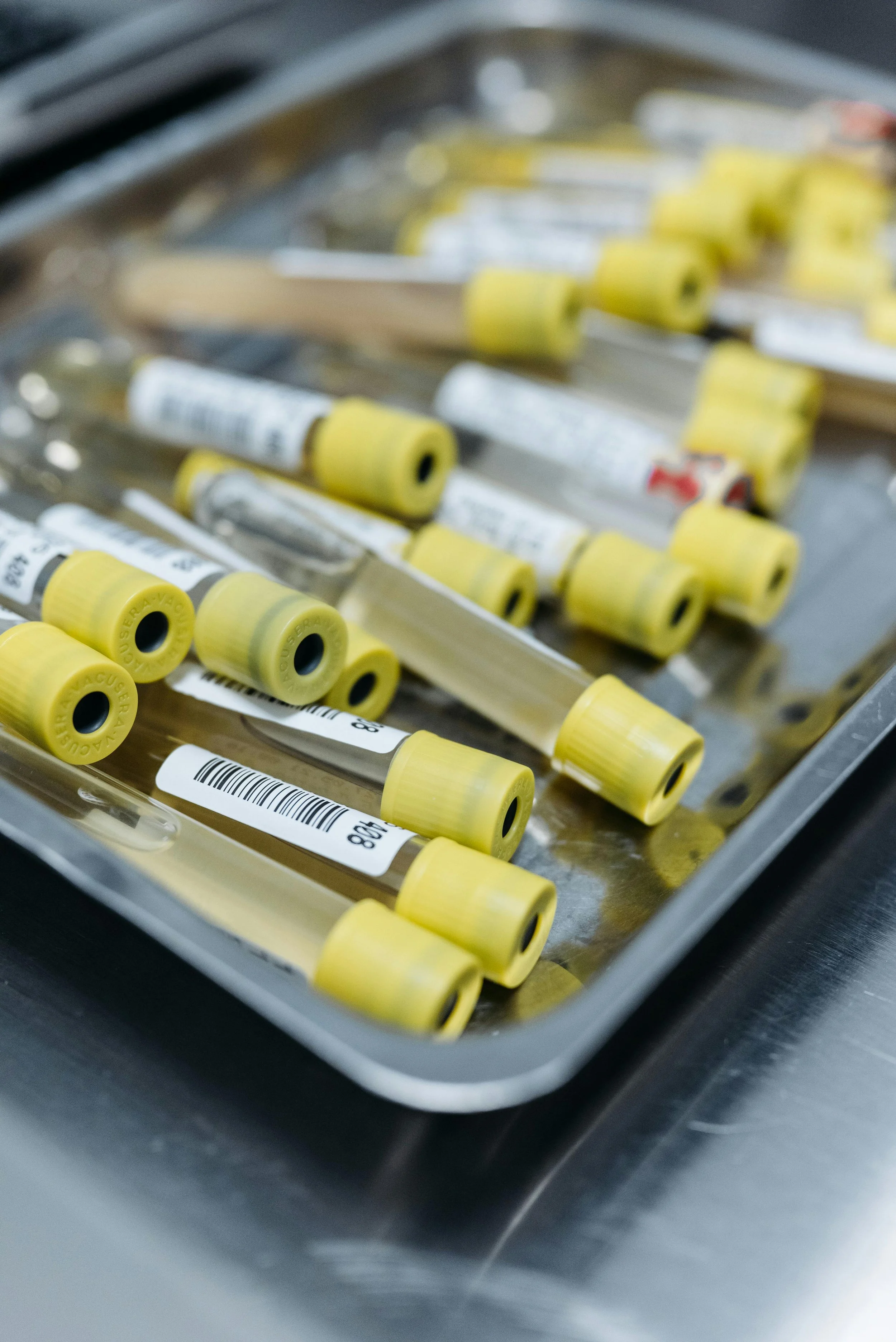
If a sample changes hands between three technicians before reaching long-term storage, the system should record each transfer automatically. ISBER's cryogenic storage addendum specifies that labels must link directly to the inventory database and capture donor information, specimen type, volume remaining, and processing history.
Traceability checklist for laboratory leaders:
Confirm the system assigns a unique barcode or RFID ID to every sample at intake.
Verify it tracks sample genealogy, including any aliquots or derivatives.
Check that it records exact freezer, rack, shelf, and box position for each container.
Test whether it flags samples affected by an equipment failure or excursion event.
How Does Software Choice Affect Daily Operations?
Software choice affects daily operations by determining how much time technicians spend searching for samples, re-entering data, or reconciling discrepancies between systems. A biobank management software platform that integrates with existing systems through a documented API eliminates duplicate data entry and reduces manual error.
If a lab's current process still relies on printed logs alongside a database, that gap signals poor operational fit. ISBER notes that shipping logs, vendor records, and calibration data should all live inside the same system used for sample storage management, not in separate files.
Operational fit factors to weigh before purchase:
Integration capability with existing systems through a documented API
Reporting flexibility for inventory, freezer status, and audit reports
Implementation timeline and support options
Configuration capabilities for ease of use
What Freezer Inventory Features Actually Reduce Risk?
Freezer inventory features reduce risk by giving staff an accurate, searchable view of every sample’s location, status, and the available capacity of every storage unit. The right system reduces retrieval errors, prevents misplaced specimens, and preserves chain-of-custody records during routine work and emergency transfers.
If a freezer failure or relocation requires samples to be moved, the software should document the original location, new location, staff member, date, and reason for the transfer. That record helps biobank managers maintain traceability and reconstruct sample history during audits or active research studies.
Is the Biobank Market Growing Fast Enough to Justify Investment?
Yes. The global biobank market is projected to grow from roughly USD 58 billion in 2026 to nearly USD 74 billion by 2031, a compound annual growth rate near 4.9 percent, driven largely by regenerative medicine and personalized therapy research. Other market analyses place the 2026 biobanking market between USD 8 billion and USD 93 billion depending on scope, with growth rates ranging from 4.9 percent to over 9 percent annually through the early 2030s.
This growth means more samples, more regulatory scrutiny, and more pressure on manual systems. If a biobank plans to scale its specimen volume over the next five years, choosing biobank sample tracking software now avoids a costly migration later.
Is the Biobank Market Growing Fast Enough to Justify Investment?
Yes. The global biobank market is projected to grow from roughly USD 58 billion in 2026 to nearly USD 74 billion by 2031, a compound annual growth rate near 4.9 percent, driven largely by regenerative medicine and personalized therapy research. Other market analyses place the 2026 biobanking market between USD 8 billion and USD 93 billion depending on scope, with growth rates ranging from 4.9 percent to over 9 percent annually through the early 2030s.
This growth means more samples, more regulatory scrutiny, and more pressure on manual systems. If a biobank plans to scale its specimen volume over the next five years, choosing biobank sample tracking software now avoids a costly migration later.
Choosing the Right Fit for Your Biobank
Selecting biobank sample tracking software in 2026 comes down to four priorities: verified compliance with ISBER and ISO 20387 standards, complete sample-level traceability, integrated freezer inventory control, and a workflow that matches how your team actually operates day-to-day. A platform that checks these boxes protects specimen integrity and keeps your lab audit-ready without adding administrative burden.
Ready for a better biobank sample management software?
Schedule a Freezerworks demo today to see which edition fits your facility's workflows, compliance requirements, and growth plans.