
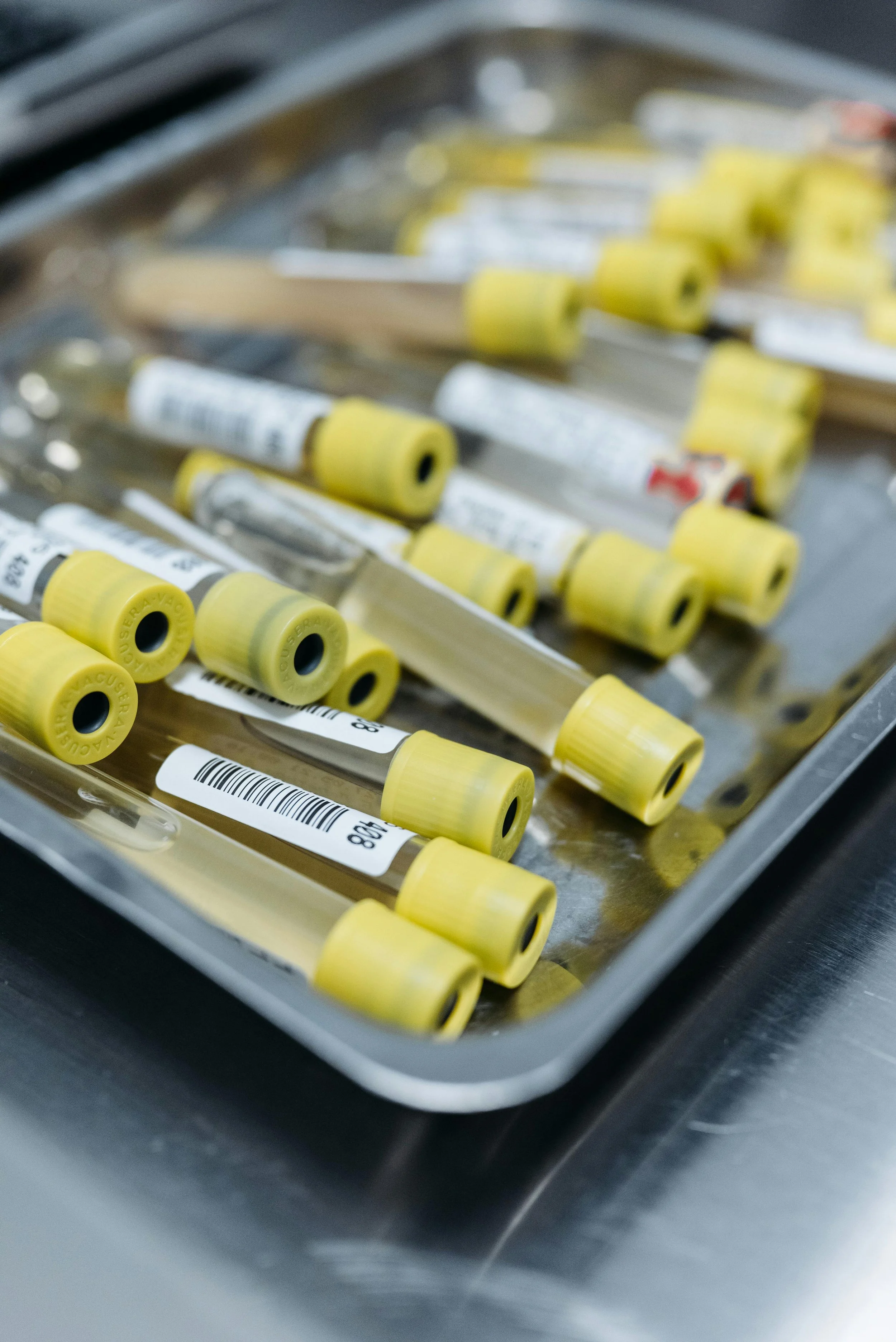
Freezerworks for Biobank Sample Tracking
Biorepository sample management software like Freezerworks gives mid-sized biobanks a single, configurable platform to track specimens from collection to disposal. It replaces spreadsheets and disconnected systems with audit trails, custom fields, and barcode-driven workflows that reduce sample loss and cut retrieval time across multi-study biorepositories.
What Is Biorepository Sample Management Software?
Biorepository sample management software is a purpose-built system that logs, stores, and tracks biological specimens through every stage of their lifecycle. It differs from generic databases because it enforces data validation, chain of custody, and role-based security at the sample level.
Mid-sized biobanks typically manage thousands to tens of thousands of samples across multiple studies and freezers. Nearly 50% of U.S. based biobanks surveyed hold over 5,000 samples, and 23% hold more than 100,000, which means manual tracking methods break down quickly as volume grows. Freezerworks addresses this by letting administrators configure fields, entry screens, and label formats without custom programming
Why Do Biobanks Need Configurable Lab Software Instead of Generic Databases?
Biobanks need configurable lab software because no two biorepositories store the same combination of sample types, protocols, or regulatory requirements. A one-size-fits-all database cannot adapt to blood products, tissue slides, and cell lines under a single schema without extensive custom development.
Freezerworks lets lab directors add or remove fields, adjust viewing screens, and change label formats directly, without needing a programmer or a vendor work order. If a biobank adds a new specimen type mid-year, the system can be reconfigured in hours rather than months. This flexibility matters because data heterogeneity, the mix of formats, units, and metadata standards across samples, is one of the most cited challenges in biobank data management research.
Configurability also supports multi-group ownership. A mid-sized biobank running several concurrent studies can assign different freezers, fields, and reports to each study team while keeping one unified database.
What Compliance and Traceability Problems Does This Solve?
This solves audit readiness, chain of custody gaps, and PHI exposure risk, which are the three most common compliance failures cited by mid-sized biobanks. Freezerworks was built according to FDA general principles for software validation and supports CAP accreditation and 21 CFR Part 11 requirements.
If a biobank is preparing for a CAP inspection, Freezerworks generates the audit history and chain of custody records directly instead of requiring staff to reconstruct activity logs manually. A recent industry analysis found that 67% of biobanks cite resource underutilization as a major concern, often tied to poor traceability that leaves collected samples unused because researchers cannot locate or verify them.
Which Biobanks Benefit Most from This Kind of Sample Tracking Software?
Mid-sized biobanks with distinct storage, security, and reporting needs benefit most from sample tracking software like Freezerworks. Organizations still relying on spreadsheets face the highest risk of data heterogeneity and missing records as sample counts climb into the thousands.
Common signals that a biobank has outgrown manual tracking include:
Sample counts exceed manage, where manual audit trails become impractical to maintain
Multiple research groups sharing freezer space and needing separate access permissions
Upcoming CAP- or FDA-related audits requiring documented chain of custody
Frequent inter-freezer transfers that create version control problems in spreadsheets
Plans to scale into clinical trial specimen management with visit-based collection protocols
If a lab director answers yes to two or more of these, the case for configurable biorepository sample management software becomes a resourcing decision, not an optional upgrade.
How Does Specimen Tracking Actually Work in Freezerworks?
Specimen tracking in Freezerworks works through barcode labeling, location mapping, and a full audit trail that records every action by user, date, and timestamp. Each sample and its aliquots are linked, so a lab can trace lineage from the original collection to every derivative used in testing.
The core tracking workflow follows these steps:
A technician logs a new sample, aliquots it, and assigns unique identifiers.
Aliquots created from the sample inherit lineage data automatically.
The system maps aliquots to a specific freezer, shelf, and box location.
Every checkout, check-in, shipment, or test order is time-stamped in the audit trail.
QC checks confirm box contents using a flatbed scanner in about 30 seconds, or manual verification for smaller batches.
If an aliquot moves between freezers or departments, Freezerworks logs the transfer automatically instead of relying on a technician to update a separate spreadsheet. This matters because reproducibility failures in research are frequently linked to sample provenance gaps, a challenge documented across biobanking literature.
Getting Started With Biorepository Sample Management Software
Biobank managers evaluating sample management software should request a Freezerworks demo to see how configurable fields, audit trails, and specimen tracking map directly onto their current study workflows.