
Key Factors to Consider in Laboratory Sample Management Software
How clinical laboratories and biobanks can evaluate freezer inventory, aliquot tracking, lifecycle workflows, and audit-ready traceability.
Laboratory sample management software should provide end-to-end traceability, precise freezer inventory tracking, parent-child aliquot relationships, controlled sample acquisition and dispersal, and inspection-ready audit trails. Clinical laboratories and biobanks should evaluate whether each sample, derivative, location, handling event, and disposition remains identifiable throughout the complete sample lifecycle.
What should sample tracking workflows cover?
Effective sample tracking workflows should document every significant event from acquisition through processing, storage, distribution, return, depletion, or destruction. The NCI recommends tracking collection, freezing and thawing, processing, storage, distribution, remaining quantity, and potential sample compromise.
A complete workflow should record these seven stages:
Acquisition: Record the source, collection time, specimen type, study or patient identifier, consent status when applicable, and collection conditions.
Receipt: Compare the physical container with the shipment manifest, requisition, or expected sample record.
Accessioning: Assign a unique sample identifier and connect external identifiers without replacing the original history.
Processing: Record centrifugation, extraction, preservation, concentration, volume, and processing delays.
Storage: Assign an exact freezer, rack, box, row, and position.
Movement: Capture each checkout, relocation, thaw, return, shipment, and temperature excursion.
Dispersal: Record the recipient, approval, shipped quantity, remaining quantity, date, purpose, and final disposition.
If a system records only the current location, then the system provides inventory visibility rather than complete lifecycle traceability.
How precise should freezer inventory tracking be?
Freezer inventory tracking should identify the exact position of every container and maintain a history of location changes. SBER recommends a computer-based inventory system that tracks the location and pertinent annotation of every repository specimen.
A practical hierarchy includes facility, room, freezer, compartment, rack, box, row, and position. If staff must search a freezer physically after finding a record, the digital location is not precise enough.
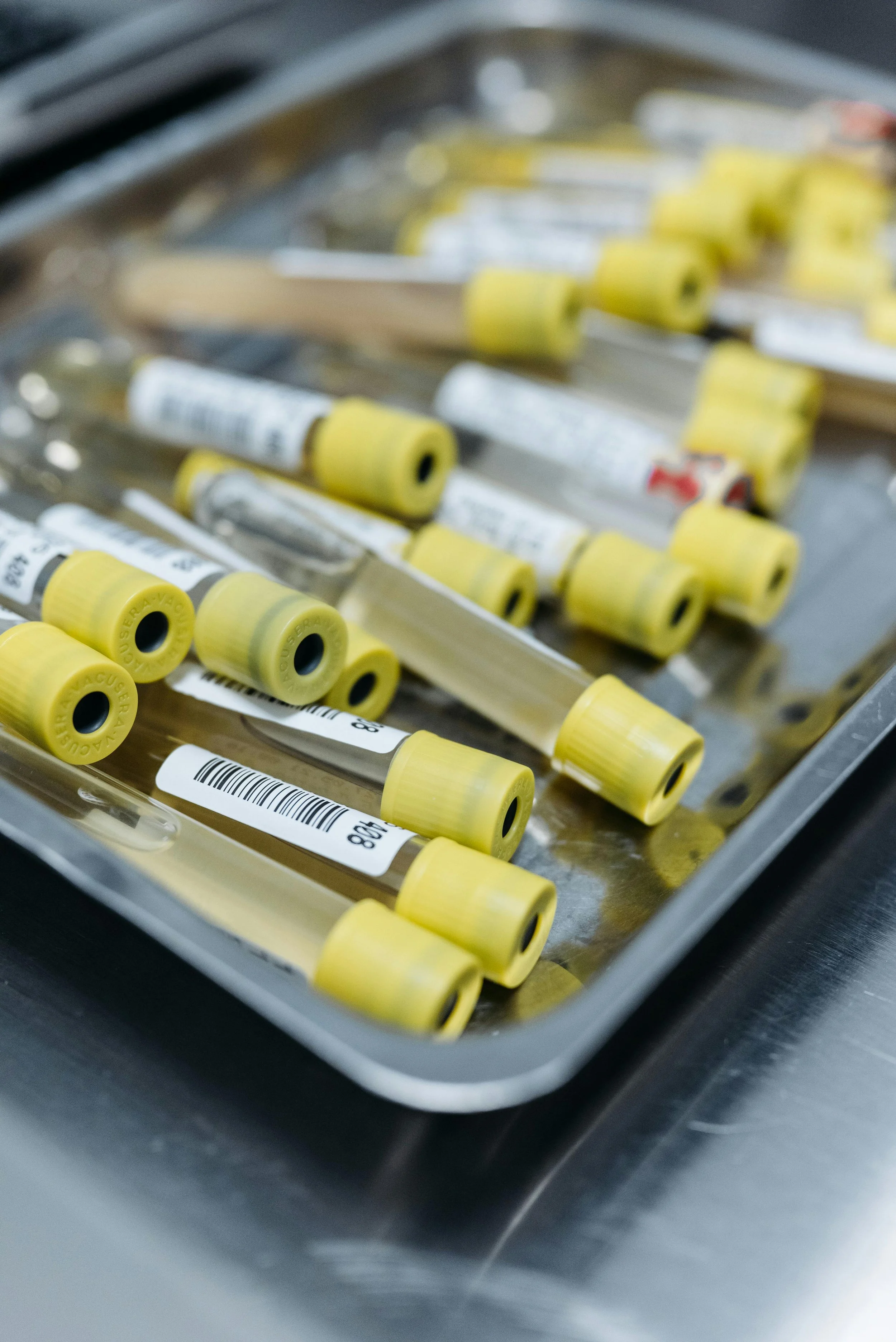
The software should also support barcode labels that remain readable under the laboratory’s storage conditions. NCI best practices recommend machine-readable and human-readable labels linked to the inventory system, while ISBER recommends unique identifiers for storage units, containers, specimens, and aliquots.
Which laboratory sample management software should you choose?
Choose laboratory sample management software that can reconstruct the complete history of every sample and aliquot without relying on spreadsheets, staff memory, or disconnected records. The platform should connect acquisition, freezer inventory, aliquot lineage, movement, testing, dispersal, and audit history in one traceable workflow.
If sample integrity depends on limiting freeze-thaw cycles, each thaw should be recorded against the specific aliquot.
What should a sample audit trail record?
A sample audit trail should record who performed an action, what changed, when the change occurred, and the original and revised values. FDA guidance states that applicable audit trails should capture record changes, the individual making each change, and the date and time.
Unique user identity and role-based permissions
Computer-generated dates and timestamps
Original and revised values
Reasons for critical changes
Protected, searchable, and exportable records
Part 11 applicability depends on the records and predicate rules involved. FDA recommends selecting audit-trail controls through a documented risk assessment that considers product quality, safety, and record integrity.
How should sample acquisition and dispersal be controlled?
Sample acquisition and dispersal should use defined approvals, status controls, and transaction records rather than editable notes. The dispersal record should connect the requestor, approver, recipient, shipment, aliquots, quantities, intended use, and final disposition.
If a sample has consent, protocol, or use restrictions, the workflow should stop an unauthorized request before fulfillment.
How does Freezerworks support these requirements?
Freezerworks combines configurable sample tracking, freezer inventory, aliquot lineage, transaction workflows, security, and audit trails in one laboratory sample management software platform. Laboratories can configure fields, entry screens, labels, roles, and workflows without requiring a programmer or custom work order.
Freezer visibility: Search stored aliquots by location and monitor capacity.
Aliquot lineage: Maintain parent-child relationships for derivatives and pooled samples.
Controlled transactions: Support check-in, checkout, requisition, shipping, pooling, and testing.
Auditability: Record system activity by date, timestamp, and user ID
If a laboratory has a specialized accessioning or dispersal process, vendor evaluation should use that real workflow. Ask each vendor to receive a specimen, create aliquots, move one aliquot, disperse another, and produce the complete lineage and audit history.
How should the software handle aliquot tracking?
Aliquot tracking should assign a unique record to every derivative while preserving the relationship between each child aliquot and the original specimen. The system should also record aliquot-specific quantity, processing, quality, thaw events, and disposition.
Can Freezerworks support your laboratory’s workflow?
Bring one of your laboratory’s highest-risk workflows to a personalized demonstration and see how Freezerworks tracks each sample from acquisition through final dispersal.